Phones stopped getting smaller because most buyers chose bigger screens and better battery life, and both push the same direction. If you want a small phone you're shopping against the market, which means being precise about what you're optimising for and accepting a specific set of trade-offs.
Measure width, not screen size
Screen diagonal is the number manufacturers advertise and the least useful one for one-handed use. What decides whether your thumb can reach across the display is body width. As a practical guide, under about 70mm wide is comfortable one-handed for most people, around 71–75mm is manageable, and above that you're using two hands regardless of what the diagonal says.
The trade-offs you can't avoid
- Battery capacity scales with physical volume. A smaller phone will have a smaller battery, and no efficiency gain fully compensates.
- Camera systems need depth and sensor area. Compact models usually carry fewer lenses and smaller sensors than their larger siblings.
- Thermal headroom is smaller, so sustained performance under load is lower even with the same chip.
- Choice is limited. You're picking from a handful of options rather than a category.
The four realistic routes to a small phone
- Buy the base model in a current flagship line. These are usually meaningfully narrower than the Pro or Ultra variants and share most of the internals.
- Buy a mid-range model, where smaller bodies persist longer than at the top of the market.
- Buy a previous-generation compact second-hand or refurbished. This is the only reliable way to get a truly small flagship, and the reason those models hold value.
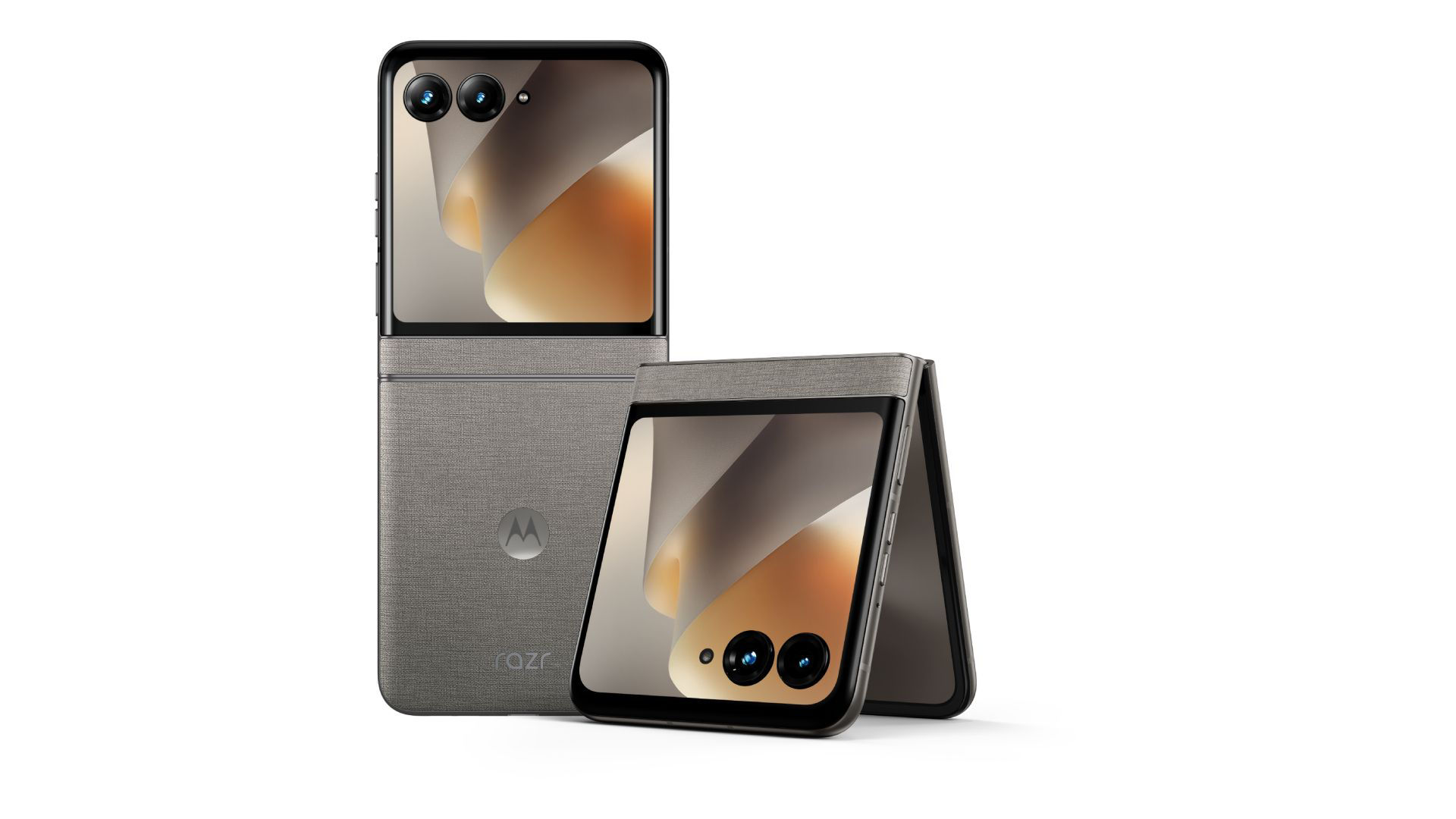
- Consider a folding phone. A flip-style folding phone is genuinely pocketable when closed, at a price premium and with durability considerations.
If it's about pocketability rather than screen size
Worth separating the two goals. Thickness and weight often matter more for pocket comfort than footprint does, and a slim case makes a bigger difference than most people expect — a bulky case can add enough width to move a phone out of one-handed range entirely.
Before you buy, on any route
Check the exact model number's supported bands against the network you're on, because carrier-specific variants and international models differ. This matters more than usual when buying refurbished or importing an older compact model, and it's the difference between a small phone that works and one that has poor indoor coverage.
We don't maintain a live device ranking here — device availability changes faster than a page can honestly track. What doesn't change is the method: measure width, accept the battery trade-off, and verify bands before you pay.
Compare plans by network so your device gets the coverage it supports.
Compare phone plans →
Jean Gilles has researched personal finance, consumer technology, and wireless pricing for over a decade. He founded ShopCellPlans in 2019 and writes every review on the site.
Frequently asked questions
What counts as a small phone now? +
Why did manufacturers stop making small phones? +
Do small phones have worse battery life? +
Is a folding phone a good small phone? +
Should I buy a used compact flagship? +
One email when a carrier raises rates, drops a plan, or launches a deal worth switching for. No spam, unsubscribe anytime.