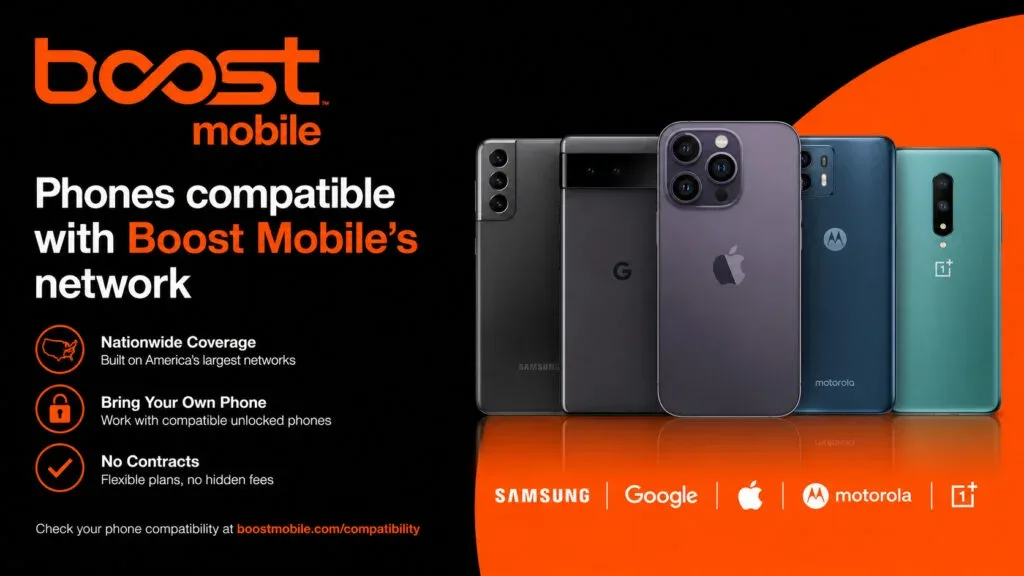
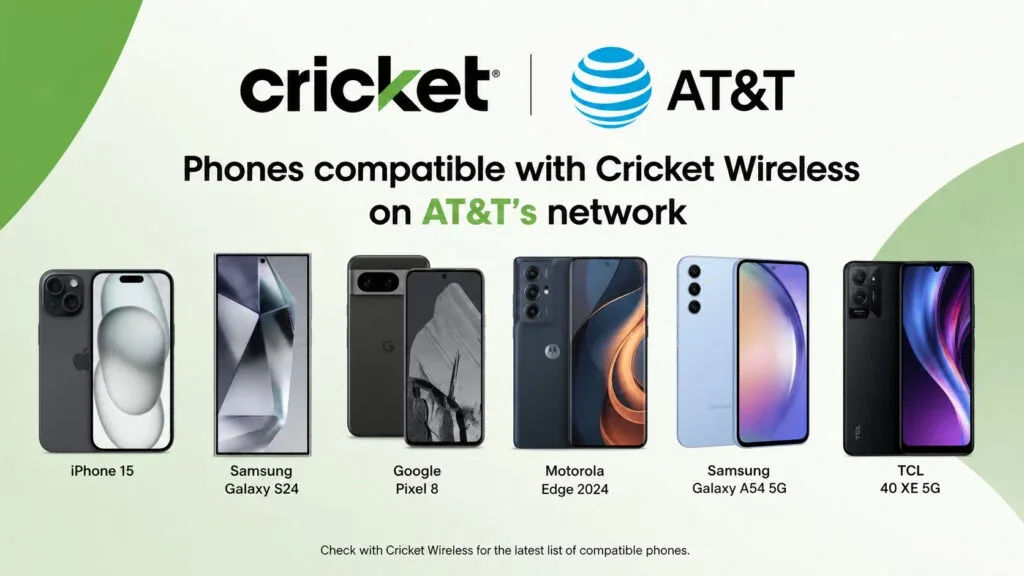
Every carrier has a compatibility checker, and every checker answers a narrower question than the one you're asking. It tells you whether the network will let the phone register. It does not tell you whether you'll have bars in your basement. Those are separate problems, and only the second one matters after the switch.
The four things that have to be true
- The phone is unlocked, or locked to the carrier you're joining.
- The IMEI is clean — not reported lost, stolen or blacklisted.
- The phone supports VoLTE, and ideally the new carrier's specific VoLTE profile.
- The phone supports the frequency bands the new network actually uses in your area.
Checkers verify the first two reliably, the third inconsistently, and the fourth almost never.
Start with the IMEI
Dial *#06# to display it, or find it under Settings — General — About on iPhone, or Settings — About phone on Android. Run that number through the prospective carrier's checker. A rejection here is usually a locked device or a blacklist flag, both of which are worth resolving before you go further.
Then confirm the unlock
Unlock policies are time-based, not payment-based, at most carriers — Verizon unlocks eligible devices automatically 60 days after purchase, for example. A phone can be fully paid off and still locked, and it can be unlocked while a balance remains. Check status in the carrier app rather than assuming.
How to actually check bands
Look up your exact model number — not the marketing name — and compare its supported LTE and 5G bands against the network you're joining. Phones sold directly by a carrier are often trimmed to that carrier's bands, so the same handset model can differ between versions. Unlocked international variants are the most likely to be missing US low band.
VoLTE, and why an old phone may lose calling entirely
3G networks are gone in the US, so voice calls run over LTE. If a phone doesn't support VoLTE on the network you're joining, it may get data but no calls — or activate and then fail on the first call. Carriers maintain whitelists of approved VoLTE devices, which is why a technically capable phone can still be refused.
eSIM or physical SIM
Most carriers now prefer eSIM, and some MVNOs are eSIM-only. Newer iPhones sold in the US have no physical SIM tray at all. If your phone predates eSIM, confirm the carrier will mail a physical SIM before you buy the plan.
When the answer is no
If the phone won't work well on the network you want, you have three options: pick a different carrier that runs on a network your phone suits, buy an unlocked model with full band support, or take a device deal and treat the switch as a phone upgrade. All three are reasonable — activating anyway and hoping is not.
Filter by underlying network — Verizon, AT&T or T-Mobile.
Compare plans by network →
Jean Gilles has researched personal finance, consumer technology, and wireless pricing for over a decade. He founded ShopCellPlans in 2019 and writes every review on the site.
Frequently asked questions
How do I find my IMEI? +
Does unlocked mean it works on any carrier? +
Why does my phone get worse signal after switching? +
Can I use an international phone in the US? +
Will an old phone still work? +
One email when a carrier raises rates, drops a plan, or launches a deal worth switching for. No spam, unsubscribe anytime.