There are three SIM sizes still in use: standard (also called mini), micro and nano. The chip is the same on all three. Only the plastic around it changes. Carriers now ship a single card with all three sizes pre-cut, so you pop out the one your phone needs.
The sizes compared
| Size | Dimensions | Used in |
|---|---|---|
| Standard (mini, 2FF) | 25 x 15mm | Older feature phones and some basic flip phones |
| Micro (3FF) | 15 x 12mm | Phones from roughly 2010 to 2013, such as the iPhone 4 and Galaxy S3 |
| Nano (4FF) | 12.3 x 8.8mm | Nearly every phone since 2014, including every iPhone from the 5 onward |
| eSIM | Built into the phone | US iPhone 14 and later, plus many recent Pixel and Galaxy phones alongside a nano slot |
Standard and micro cards are 0.76mm thick. Nano cards are slightly thinner at 0.67mm.
Which size does your phone take?
If your phone was made in the last decade, assume nano. To check, eject the tray with a SIM tool or a straightened paperclip and look at the slot, or search your model with "SIM size". If there's no tray, the phone uses eSIM only. Our eSIM guide covers how to set it up.
What to do if your SIM doesn't fit
- Too big: if your card is a triple-cut SIM, push out the smaller size along the perforations. Most cards shipped today are.
- Too small: a nano card can go in a micro or standard slot with a plastic adapter. Adapters are cheap but can catch inside the tray, so a correctly sized card from your carrier is safer.
- Don't cut a SIM yourself. A slip damages the chip, and carriers replace cards for free or a few dollars.
Do you still need a SIM card?
Not always. Most carriers can activate your line by eSIM, which skips the card entirely and lets you switch in minutes. A physical SIM is still useful if you move your line between phones often, or if your phone doesn't support eSIM.
Frequently asked questions
What is the most common SIM card size? +
Can I put a nano SIM in a micro SIM slot? +
Are all SIM cards the same inside? +
Do iPhones still use SIM cards? +
Keep reading
All guides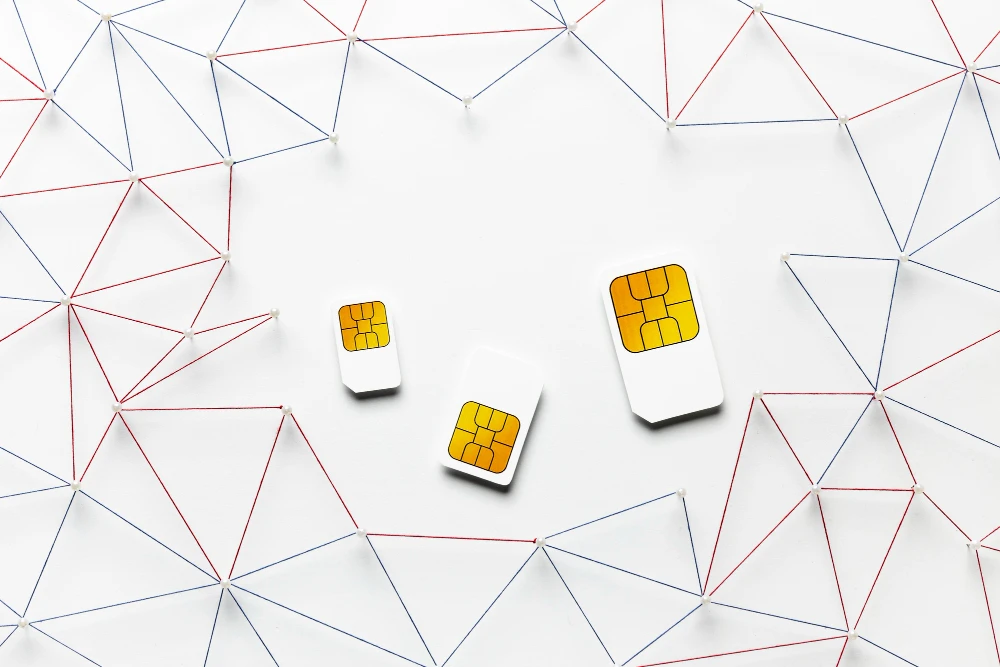

One email when a carrier raises rates, drops a plan, or launches a deal worth switching for. No spam, unsubscribe anytime.

Jean writes ShopCellPlans' reviews. He compares carrier plans using each carrier's own published prices, its FCC broadband labels and reporting from named outlets, and ranks them on the bill you actually get, taxes and fees included, not the price on the ad.