Independent since 2019 · No paid placement, ever Prices re-checked weekly
Carrier News 2 min read

AT&T, T-Mobile and Verizon Team Up to Cover Dead Zones

The three carriers signed a joint venture on October 1 to pool spectrum for satellite-to-phone service. It has an interim CEO but no name, no launch date and no published terms.

Jean Gilles
Founder & Lead Analyst, ShopCellPlans
Published October 1, 2026
Updated October 1, 2026
The venture starts with direct-to-device satellite service for places towers don't reach.

AT&T, T-Mobile and Verizon have signed a joint venture agreement to expand coverage in parts of the U.S. that cell towers don't reach. The three carriers first said in May 2026 that they planned to pool spectrum for satellite service. The October 1 agreement turns that plan into a company, with a board and an interim CEO.

Key takeaways
AT&T, T-Mobile and Verizon signed a joint venture agreement on October 1, 2026 to cover U.S. dead zones.
It will pool the carriers' spectrum for satellite service that connects directly to phones.
Paul Roth is interim CEO; a board with members from each carrier oversees it.
There's no name, launch date or published financial terms yet.
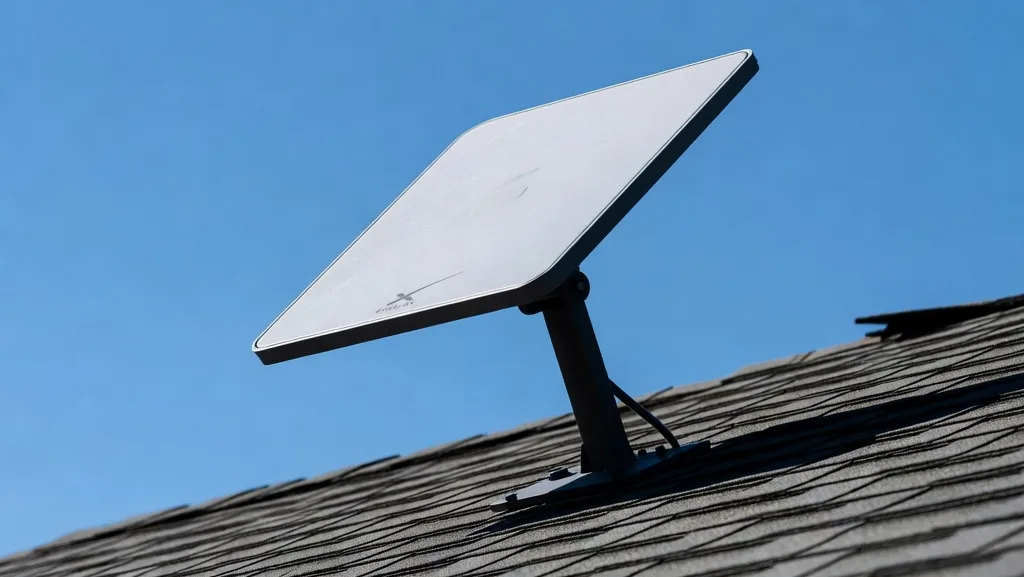
Existing satellite deals, including T-Mobile's T-Satellite with Starlink, stay in place.

What the venture will do

  • Pool the three carriers' spectrum to support satellite service that connects directly to ordinary phones.
  • Start with direct-to-device satellite access in areas with weak or no cell coverage.
  • Provide backup service when ground networks go down in natural disasters or other outages.
  • Work alongside each carrier's own network. AT&T, T-Mobile and Verizon keep running and selling their own service.

The carriers say the venture will nearly eliminate U.S. dead zones. They haven't said when customers will see anything from it.

Who runs it

Paul Roth is interim CEO while the partners search for a permanent one. He previously held leadership roles at AT&T, Cingular Wireless and Ameritech. A board with representatives from each of the three carriers will oversee the venture.

What hasn't been announced

  • A name for the venture
  • How ownership is split between the three carriers
  • Financial terms or how much each carrier is investing
  • A launch date or a list of areas it will cover first
  • Which satellite company or companies it will work with

What it means for your plan today

Nothing changes yet. The carriers' existing satellite deals stay in place, and each one can keep building its own satellite service. T-Mobile's T-Satellite runs on Starlink and is included with Experience Beyond or costs $10/mo on other plans. AT&T and Verizon work with AST SpaceMobile. Verizon's Simplicity plan includes satellite texting.

Which carriers offer satellite texting now

Every carrier's satellite option, what it costs and which phones work.

Compare satellite texting →

Frequently asked questions

When will the AT&T, T-Mobile and Verizon satellite service launch? +
The carriers haven't given a date. The October 1, 2026 announcement set up the company and its leadership but didn't include a timeline.
Will I need a new phone? +
The venture is focused on direct-to-device service, which works with ordinary phones. The carriers haven't said which models will be supported.
Does this replace T-Satellite? +
No. The carriers said existing satellite agreements remain in place, and each carrier can keep its own satellite service.

Keep reading

All news
Price-change alerts
Get told when your plan’s price changes

One email when a carrier raises rates, drops a plan, or launches a deal worth switching for. No spam, unsubscribe anytime.

Jean Gilles
About the author

Jean Gilles has researched personal finance, consumer technology, and wireless pricing for over a decade. He founded ShopCellPlans in 2019 and writes every review on the site.

#AT&T #T-Mobile #Verizon #Satellite
Independent since 2019 · No paid placement, ever Prices re-checked weekly
{{ category }} {{ readLabel }}

{{ title }}

{{ dek }}

{{ avatarEl46 }} {{ authorInitials }}
{{ authorRole }}
Published {{ published }}
Updated {{ updated }}
{{ heroCaption }}
{{ category }} {{ readLabel }}

{{ title }}

{{ dek }}

{{ avatarEl46 }} {{ authorInitials }}
{{ authorName }}
{{ authorRole }}
Published {{ published }}
Updated {{ updated }}
{{ category }} {{ readLabel }}

{{ title }}

{{ dek }}

{{ avatarEl46 }} {{ authorInitials }}
{{ authorName }}
{{ authorRole }}
Published {{ published }}
Updated {{ updated }}
{{ category }} {{ readLabel }}

{{ title }}

{{ dek }}

{{ avatarEl46 }} {{ authorInitials }}
{{ authorName }}
{{ authorRole }}
Published {{ published }}
Updated {{ updated }}
{{ heroCaption }}
{{ category }} {{ readLabel }}

{{ title }}

{{ dek }}

{{ avatarEl46 }} {{ authorInitials }}
{{ authorName }}
{{ authorRole }}
Published {{ published }}
Updated {{ updated }}
{{ heroCaption }}

{{ intro }}

Key takeaways
{{ t }}

{{ b.text }}

{{ b.text }}

{{ b.text }}

  • {{ li }}
  1. {{ li }}

{{ b.text }}

— {{ b.cite }}
{{ b.title }}
{{ b.text }}
{{ c }}
{{ cell }}
{{ b.caption }}
{{ b.imgEl }}
{{ b.caption }}
{{ b.title }}

{{ b.text }}

{{ b.label }} →

Frequently asked questions

{{ f.q }} +
{{ f.a }}
Sources
  1. {{ s.label }} {{ s.label }}

Keep reading

{{ krAllLabel }}
Price-change alerts
Get told when your plan’s price changes

One email when a carrier raises rates, drops a plan, or launches a deal worth switching for. No spam, unsubscribe anytime.

{{ avatarEl64 }} {{ authorInitials }}
About the author

{{ authorBio }}

#{{ tag }}